

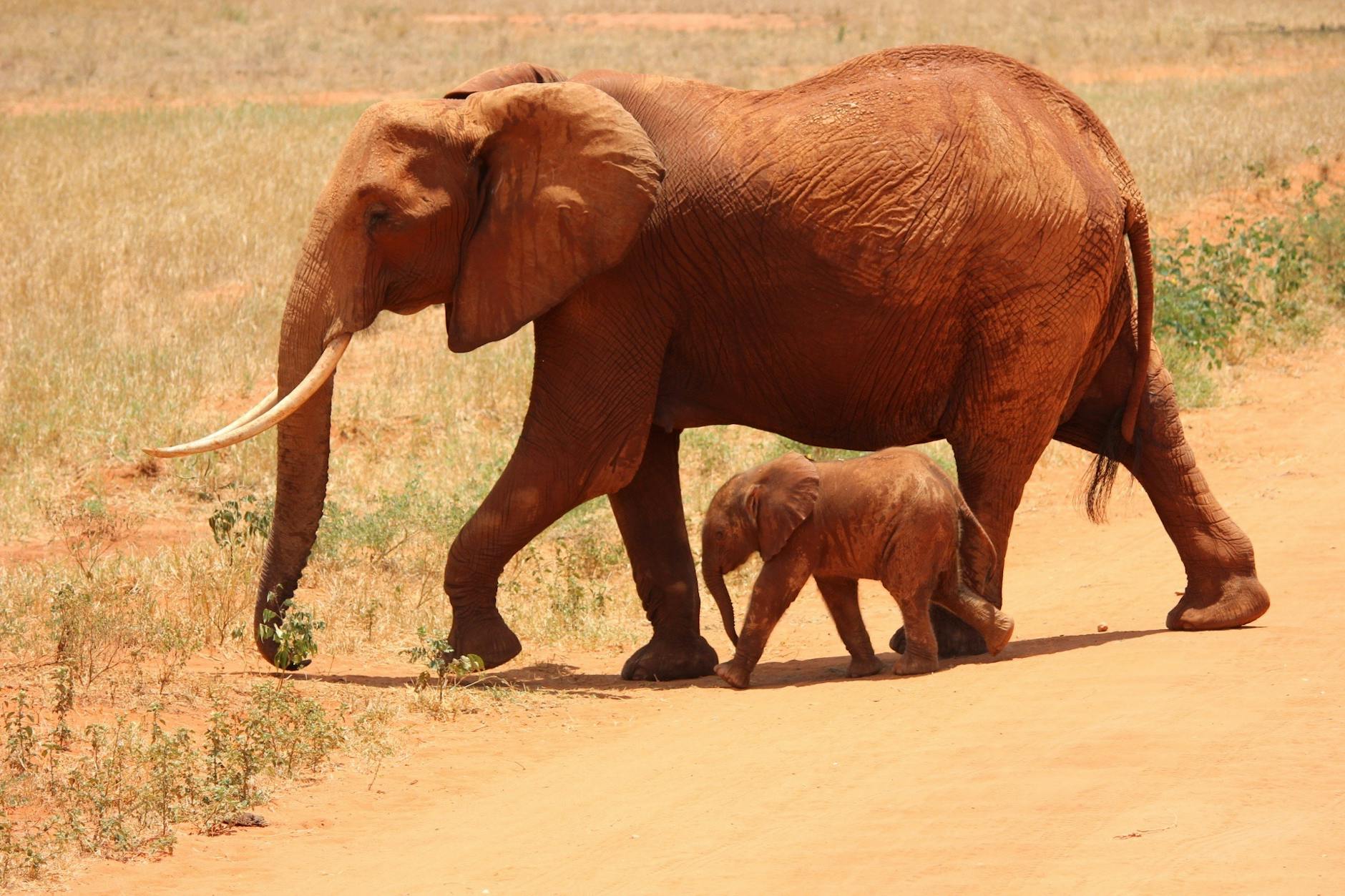
There's something about elephants that humbles even the most cynical traveler. Perhaps it's their size, their intelligence, or the gentle deliberation with which they move through the world. At Pinnawala Elephant Orphanage, located in the Sabaragamuwa Province of Sri Lanka, visitors encounter these magnificent creatures in circumstances that provoke both wonder and reflection. Established in 1975, this facility has grown to house the world's largest captive herd of elephants, creating a destination that draws hundreds of thousands of visitors annually while raising important questions about conservation, captivity, and our responsibility to the natural world.
The Origins Of Pinnawala
Pinnawala began with a simple humanitarian impulse: what do you do with orphaned baby elephants? Wild elephant calves separated from their herds, whether through human-wildlife conflict, natural disaster, or poaching, face almost certain death without intervention. The Sri Lankan government established Pinnawala to provide sanctuary for these vulnerable animals, initially housing just five orphans on a coconut estate near the Maha Oya River. Over decades, the facility expanded as more elephants arrived, some orphaned, others injured, still others born at the facility itself. Today's Pinnawala houses over ninety elephants ranging from newborn calves to elderly matriarchs.
The Daily Routine
Life at Pinnawala follows rhythms designed around elephant needs and visitor access. Feeding times, occurring several times daily, allow observation of both bottle-feeding of calves and the massive quantities consumed by adults. The highlight for most visitors comes twice daily when the entire herd walks through town to the Maha Oya River for bathing. This procession of giants moving through streets lined with shops and restaurants creates surreal juxtapositions between wild nature and human commerce. At the river, elephants splash, play, and socialize while visitors watch from the banks or, in designated areas, enter the water for closer encounters.
The Feeding Experience
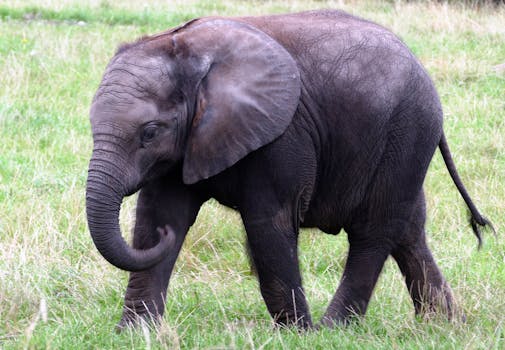
Watching elephants eat provides education alongside entertainment. Adult elephants consume approximately two hundred kilograms of vegetation daily, and Pinnawala's feeding sessions demonstrate the logistics of satisfying such appetites. Visitors can purchase bananas, sugarcane, and other treats to feed elephants directly, creating memorable interactions under staff supervision. These moments of contact, feeling an elephant's trunk gently take food from outstretched hands, forge connections that photographs cannot capture. The experience proves particularly powerful for children, many of whom develop lasting interests in wildlife conservation from these early encounters.
The River Bathing Spectacle
The twice-daily river bathing represents Pinnawala's signature experience. Watching ninety elephants descend to the water, splash in the shallows, spray themselves and each other, and simply enjoy the cooling relief from tropical heat provides entertainment that never grows old regardless of how many times observed. The social dynamics visible during bathing reveal elephant intelligence and emotional complexity: mothers protecting calves, friendships between non-related individuals, playful interactions among juveniles. Photographers find endless opportunities as light plays across wet elephant skin and water sprays catch sunlight.
Conservation Perspectives
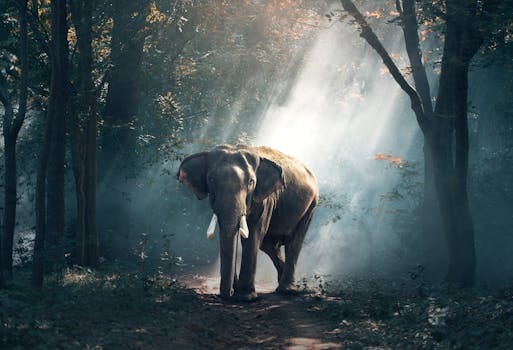
Pinnawala occupies complicated territory within conservation debates. Critics argue that captive facilities cannot replicate wild conditions and that breeding programs in captivity divert attention from habitat preservation. Supporters counter that Pinnawala has successfully bred elephants for decades, maintains genetic diversity important for species survival, and provides education that builds public support for conservation. Visitors should engage with these tensions thoughtfully, understanding that simple answers elude even experts. What remains undeniable is that Pinnawala's elephants, whatever their circumstances, require ongoing care that the facility provides.
The Surrounding Area
Pinnawala's location between Colombo and Kandy makes it a convenient stop on many Sri Lankan itineraries. The immediate vicinity has developed substantial tourism infrastructure, including hotels, restaurants, and shops selling elephant-themed crafts. The famous elephant dung paper factory nearby demonstrates creative approaches to sustainability, transforming waste into beautiful handmade paper products. Several small museums and galleries in the area explore elephant biology, Sri Lankan wildlife, and conservation themes, providing educational context for the orphanage visit.
Practical Visitor Information
Planning maximizes Pinnawala enjoyment. Arriving before opening allows witnessing the first feeding session and avoiding peak crowds. The river bathing times, typically mid-morning and mid-afternoon, should anchor visit scheduling. Comfortable, modest clothing suitable for tropical heat and potential water splashing serves best. Sun protection proves essential, as much of the complex lacks shade. The entrance fee for foreign visitors exceeds local rates significantly but supports facility operations. Photography is permitted throughout, though drones require special permission.
Frequently Asked Questions
What are the river bathing times at Pinnawala?
The elephants typically walk to the river twice daily, around ten in the morning and two in the afternoon. These times may adjust slightly based on weather conditions and operational factors. Arriving at least thirty minutes before scheduled bathing times ensures good viewing positions along the riverbank.
Can visitors touch or feed the elephants?
Yes, supervised interaction opportunities exist. Visitors can purchase food to feed elephants during designated feeding times and in certain areas. Some experiences allow closer contact, including assisting with calf bottle-feeding for additional fees. All interactions occur under staff guidance to ensure both visitor and elephant safety.
How long should I plan for a Pinnawala visit?
Most visitors spend two to four hours at Pinnawala, though longer visits allow more relaxed exploration. Timing your visit to include at least one feeding session and one river bathing maximizes the experience. Those with deep interest in elephants may choose to spend half a day or longer.
Is Pinnawala suitable for young children?
The orphanage welcomes visitors of all ages and proves particularly memorable for children. The elephants, feeding opportunities, and river spectacle engage young imaginations powerfully. Parents should maintain close supervision, as elephants remain wild animals despite their captive circumstances. Strollers are manageable on main paths but may struggle on some terrain.
What is the best time of year to visit Pinnawala?
Pinnawala operates year-round, with each season offering different experiences. Dry season months from December through April typically provide the most comfortable visiting conditions. Monsoon periods bring fewer crowds but more rain; elephants still bathe daily regardless of weather, often enjoying rainy conditions particularly.
How do I reach Pinnawala from Colombo or Kandy?
Pinnawala lies approximately ninety kilometers from Colombo and forty-five kilometers from Kandy, accessible by road. Organized tours from both cities include transportation, while independent visitors can arrange private vehicles, taxis, or buses. The journey from Colombo takes approximately two hours; from Kandy, about an hour. Signs clearly mark the route from main roads.
Location
Conclusion
Pinnawala Elephant Orphanage offers experiences that technology cannot replicate and distance cannot diminish. Standing near these gentle giants, watching their social interactions, feeling their trunks accept offered food: these moments create connections to the natural world that reshape how we understand our place within it. Yes, questions about captive wildlife warrant consideration, and visitors should engage thoughtfully with these complexities. But the elephants themselves, going about their daily routines of eating, bathing, and socializing, transcend debate. They simply exist, massive and magnificent, reminding us that some wonders can only be experienced in person, in places where the extraordinary becomes temporarily ordinary. Pinnawala provides exactly such a place, a sanctuary where giants find refuge and visitors find wonder.