
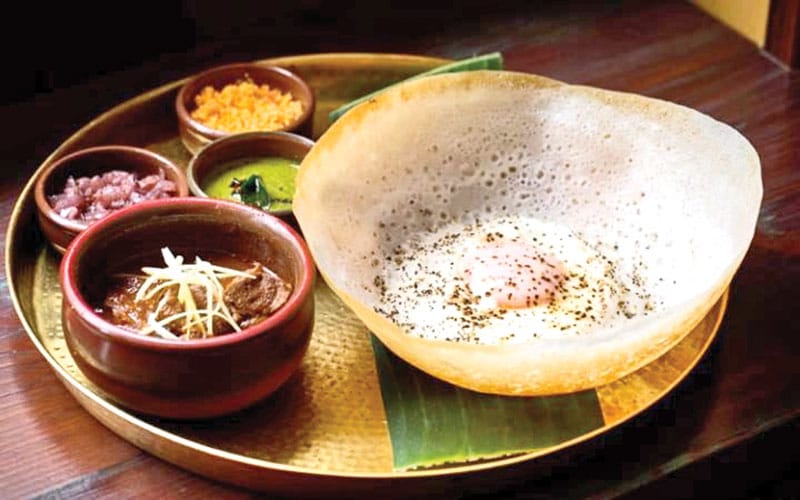
Discovering The Flavors Of Sri Lanka: What Are Hoppers Called In Sri Lanka? In the heart of Sri Lanka, a culinary gem has been hiding in plain sight, waiting to be discovered by the adventurous foodie. This dish, known affectionately as "hoppers" to locals and tourists alike, has been a staple of Sri Lankan cuisine for centuries. But, have you ever wondered, what are hoppers called in Sri Lanka? The answer lies in the local term "appa," a word that has become synonymous with the delicious, bowl-shaped pancakes that line the streets of Ella and beyond.
Introduction To Hoppers
Hoppers, or appa, are a type of pancake made from rice flour, often served with a variety of curries, sambols, and other accompaniments. They are a popular breakfast food in Sri Lanka, but can be enjoyed at any time of day. From the crispy edges to the soft, fluffy center, hoppers are a culinary delight that will leave you wanting more. But, what makes them so special? Is it the unique shape, the flavorful ingredients, or the cultural significance they hold in Sri Lankan society? Let's dive in and explore the world of hoppers.
The History Of Hoppers
The origins of hoppers are shrouded in mystery, but it's believed that they were introduced to Sri Lanka by Indian traders and colonizers. The word "appa" is derived from the Tamil word "appam," which means "cake of flour." Over time, hoppers have become an integral part of Sri Lankan cuisine, with different regions developing their own unique variations and specialties. From the string hoppers of the south to the egg hoppers of the north, each type of hopper has its own unique flavor and texture.
Types Of Hoppers
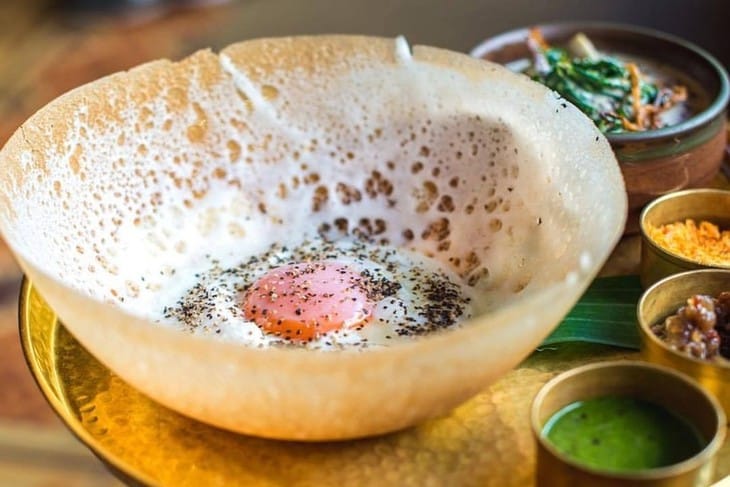
Sri Lanka is home to a variety of hoppers, each with its own unique characteristics and flavor profile. The most common types of hoppers include plain hoppers, egg hoppers, string hoppers, and milk hoppers. Plain hoppers are the simplest type of hopper, made with just rice flour and water. Egg hoppers, on the other hand, are filled with a gently cooked egg, adding a rich, savory flavor to the dish. String hoppers, also known as idiyappam, are made from steamed rice noodles and are often served with curries and sambols. Milk hoppers, a specialty of the Tamil community, are filled with a sweet, creamy coconut milk center.
How To Eat Hoppers
Eating hoppers is an art form in Sri Lanka, with its own unique etiquette and customs. Traditionally, hoppers are eaten with the right hand, using the fingers to tear off pieces of the pancake and dip them into the accompanying curries and sambols. The left hand is used to hold the plate and clean the hands. It's also customary to eat hoppers with a variety of accompaniments, including coconut sambol, potato curry, and dal. For the adventurous foodie, trying hoppers with a variety of different fillings and toppings is a must.
Hoppers In Ella
Ella, a small town in the heart of Sri Lanka, is famous for its hoppers. The town is home to a variety of hopper shops and restaurants, each serving up its own unique variation of the dish. From the crispy, golden-brown hoppers of the local eateries to the fluffy, soft-centered hoppers of the high-end restaurants, Ella is a hopper lover's paradise. Whether you're in the mood for a plain hopper, an egg hopper, or a string hopper, Ella has something for everyone.
The Cultural Significance Of Hoppers
Hoppers are more than just a food in Sri Lanka; they're a cultural phenomenon. They bring people together, whether it's at a family gathering, a street food stall, or a high-end restaurant. Hoppers are a symbol of Sri Lankan hospitality, a sign of welcome and generosity. They're also a reminder of the country's rich cultural heritage, a blend of Indian, Chinese, and European influences that have shaped the cuisine over the centuries.
Hoppers And Tourism
In recent years, hoppers have become a major tourist attraction in Sri Lanka. Visitors from around the world come to try the delicious pancakes, learn about the local culture, and experience the warm hospitality of the Sri Lankan people. The rise of social media has also helped to promote hoppers, with food bloggers and influencers sharing their experiences and photos of the dish. As a result, hoppers have become a must-try food in Sri Lanka, a culinary experience that's not to be missed.
Conclusion
In conclusion, hoppers are a culinary gem that's waiting to be discovered in Sri Lanka. Whether you're a foodie, a cultural enthusiast, or just a curious traveler, hoppers are a must-try dish. With their unique shape, flavorful ingredients, and cultural significance, hoppers are a true reflection of Sri Lankan cuisine and culture. So, next time you're in Sri Lanka, be sure to try a hopper (or two, or three!), and experience the warm hospitality and rich cultural heritage of this beautiful island nation.
Frequently Asked Questions
What are hoppers called in Sri Lanka?
Hoppers are called "appa" in Sri Lanka, a word that's derived from the Tamil word "appam," meaning "cake of flour."
What are the different types of hoppers?
The most common types of hoppers include plain hoppers, egg hoppers, string hoppers, and milk hoppers.
How do you eat hoppers in Sri Lanka?
Traditionally, hoppers are eaten with the right hand, using the fingers to tear off pieces of the pancake and dip them into the accompanying curries and sambols.
What are some popular accompaniments to hoppers?
Coconut sambol, potato curry, and dal are some popular accompaniments to hoppers.
Where can I find the best hoppers in Sri Lanka?
Ella, a small town in the heart of Sri Lanka, is famous for its hoppers and is a must-visit destination for any hopper lover.
Can I make hoppers at home?
Yes, hoppers can be made at home with a few simple ingredients, including rice flour, water, and a hopper pan. There are many recipes available online, and with a little practice, you can make delicious hoppers in the comfort of your own home.