
Imagine.
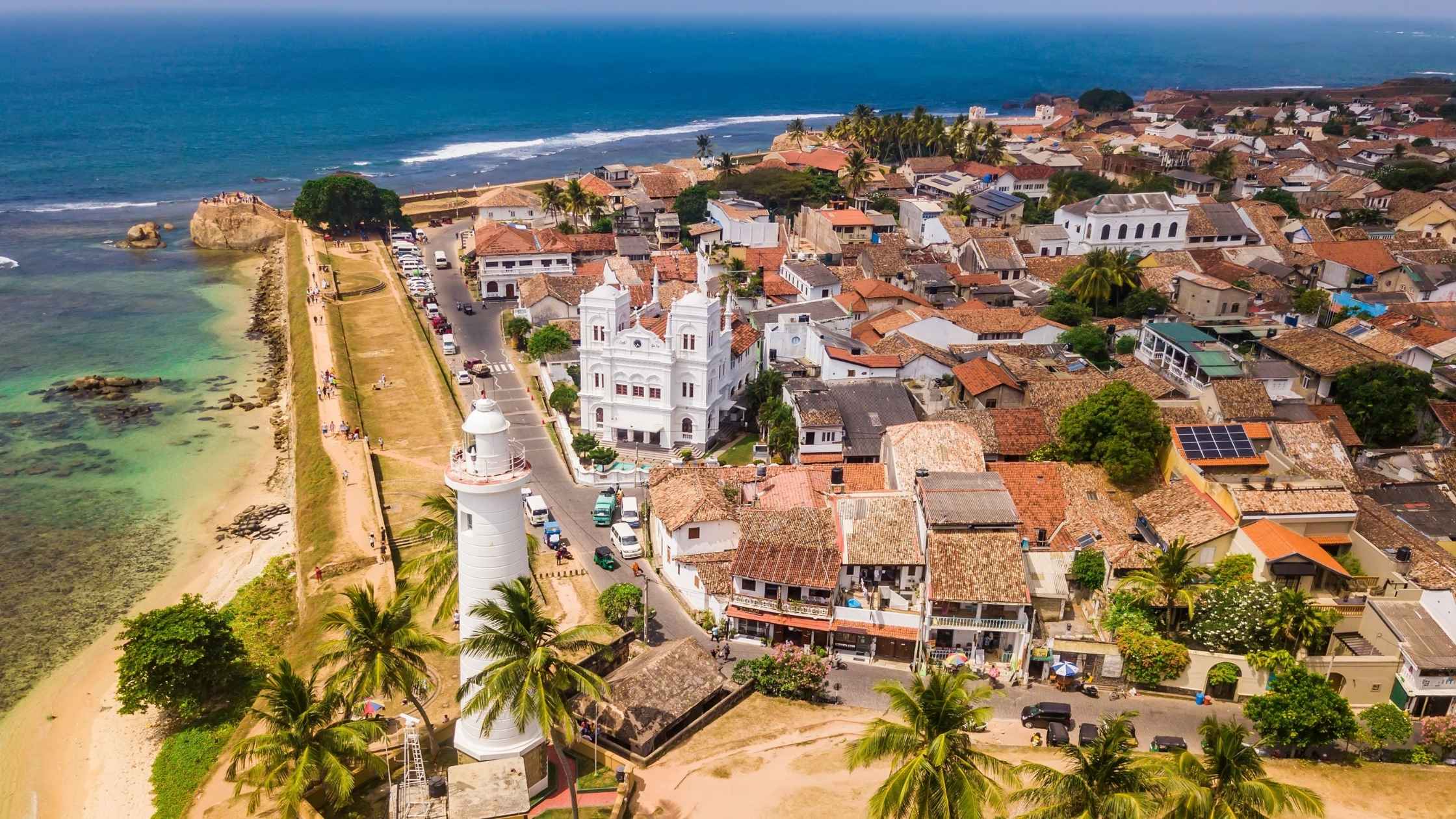
You're walking on four-hundred-year-old cobblestones. The Indian Ocean lies before you endlessly. Colonial walls are recollecting the Portuguese conquistadors, Dutch traders, and British colonists who once dwelled here.
This isn't another travel spot.
Galle Fort is an open-air museum where every weathered stone has witnessed four centuries of drama, romance, and adventure unfold. Where European colonial dreams met South Asian reality to create something singular in itself.
Something magic happens here that you cannot find anywhere else in the world.
Why Galle Fort Enchants Hearts (And Why Yours Will Be Next)
Most ancient fortifications are like cemeteries. Cold. Barren. Lifeless.
Not Galle Fort.
Here history comes to life. Children play cricket off 400-year-old battlements. Boutique cafes dispense Ceylon tea in buildings where Dutch doctors tended wounded soldiers. Artists paint sunsets on sites where Portuguese cannons drove invaders off incoming ships.
You're not just seeing history. You're stepping into it.
But here's what most tourists miss: Galle Fort only reveals its secrets to those who know where to find them. Rush by, and you'll see nice architecture and take pretty pictures. Spend some time, and you'll discover stories that will change the way you think about Sri Lanka forever.
Want to unlock its secrets?
The 10 Historical Treasures You Cannot Miss
1. The Ramparts – Your Gateway to Time Travel
Start here. Always start here.
These are walls. They're stone histories.
Built by Portuguese hands in 1588, defended by Dutch engineering in 1649, these walls have witnessed empires rise and fall. Walk their eroded paths at dusk, and you'll understand why locals cherish this place as their evening sanctuary.
The sight from above? Panoramic.
The history carved in every stone? Unreplaceable.
2. The Dutch Reformed Church (Groote Kerk) – Where Faith Endured Centuries
Enter this 1755 jewel, and time stands still.
Whitewashed walls hold breathed Dutch, English, and Sinhala prayers. Centuries weigh down on ancient pews. Brass hardware glows with the patina of aging.
This is more than Sri Lanka's oldest Protestant church to continue to function. It is testament to how faith changes, survives, and flourishes among cultures.
The wood carvings on the pulpit alone are worth going for. But it's the atmosphere that will leave you speechless.
3. The Old Dutch Hospital – Where Past Meets Present Perfectly
Dutch soldiers used to recuperate here from tropical fevers.
Today, it's a hip lifestyle complex where past and present harmonize perfectly. Original 17th-century structures form the backdrop to contemporary cafes. Colonial arch windows look out over boutiques selling traditional crafts.
This is adaptive reuse in its purest form. The character of the building remains intact for use by a new generation.
Perfect for understanding how Galle Fort does not languish but instead stays alive rather than becoming a museum relic.
4. The Maritime Archaeology Museum – Treasures from the Deep
Sri Lanka's position on ancient trade routes enriched it. It also made it dangerous.
This museum, housed in an old warehouse, tells the story of ships that didn't make it home. Artifacts recovered from southern coast shipwrecks reveal the risk of sea trade. Navigation equipment, charts, and cannons stage the drama of adventure and disaster.
History buffs will be lost. But even casual visitors are drawn into these tales of triumph and tragedy.
5. The Clock Tower – A Tribute to Colonial Medicine
Dominating the rest since 1883, this tower has been built in memory of Dr. Peter Daniel Anthonysz, a colonial doctor who treated the people of Galle with dedication.
But the reason it stands out is that it's accessible from virtually everywhere inside the fort. Reminder of time's passage and human service at all times.
Photographers adore it. Instagram feeds are filled with it. But its true beauty is in the way it grounds the skyline of the fort while paying respects to quiet heroism.
6. The Old Dutch Gate – Where Cultures Met and Magic Was Born
Pass through the gate, and you are quite literally walking through history.
The Dutch East India Company coat of arms is incorporated into Sri Lankan decorative arts. European themes of power are combined with local art forms. Its colonizers and local culture mixed together to create something that neither could imagine alone.
This gate is not an entranceway. It's proof that cultural conflict can create beauty out of accident.
7. The National Museum of Galle – Local Life Revealed
Intimate but informative, this museum is contained within a 17th-century Dutch building and presents firsthand histories of daily life during colonial times.
Barbacoa masks, lace patterns, and cultural artifacts reveal how common people lived, worked, and danced. It's not the sweep of history. It's history in human proportion.
You'll leave knowing not just what occurred, but how it was to experience it.
8. All Saints' Church – Tropical Paradise British Gothic
Consecrated in 1871, this British Anglican church brought Gothic Revival architecture to Sri Lanka's southern shore.
Tropical light filters through stained glass windows into kaleidoscopes of color. Arcades soar high above, producing cool shadows in the heat. Over-the-top pews speak of British colonial dreams.
It is still used today, with tourists attending services where Victorian hymns ring out in a distinctive Sri Lankan context.
9. The Bastions – Flag Rock & Point Utrecht
They weren't built for travelers. They were built for combat.
Flag Rock Bastion allows thrill-seekers to dive into the sea below today. Point Utrecht Bastion calls for contemplation and scenic vistas on a more subdued note. Both remind one that this picturesque fort was once a bastion of military power where life-and-death decisions were made day in and day out.
Tactical military planning allows for Instagram-perfect sunset viewpoints. Only at Galle Fort.
10. The Lighthouse – The Fort's Shining Symbol
Since 1939, this lighthouse has guided ships safely through turbulent seas.
Against Indian Ocean cerulean waters, it's the most iconic face of Galle Fort today. Still functional, still essential, still beautiful.
The perfect finale for your walking history. A symbol of continuity in a world that's otherwise different.
How to Experience Galle Fort Like a Local
Timing is everything: Early morning offers cool air and golden light. Late afternoon offers magical hour photography and comfortable temperatures.
Footwear matters: Cobblestones are pretty but cruel to feet. Comfortable walking shoes are not a suggestion.
Don't rush: Magic happens between places. Heritage cafes, art galleries, and boutique shops open up to walkers, not marchers.
Talk to locals: Shop owners, cafe owners, and local artists often share tales no guidebook contains.
Why This Matters More Than You Realize
Galle Fort is not just another UNESCO World Heritage Site minting tourist dollars.
It's a testament that history does not have to be locked in time. That colonial architecture can support ambitions today. That cultures can meet and produce something beautiful when they cross paths rather than conquer.
In a homogenizing world, Galle Fort shows us what it is to look like when the past and the present choose to dance, not fight.
With each cobble you walk, each colonial window you look out of, each sunset you watch from these old battlements you add another page to a tale yet to be concluded.
Your visit is added to the ever-unfolding story of Galle Fort. Your photographs, your experiences, your anecdotes take this place forward in time.
So plan your Sri Lankan journey well.
Don't merely leave space for Galle Fort in your agenda.
Make time to lose yourself in its pleasant lanes.
Have its stories be a part of your own.
Because some places don't tell you about history.
They make you a part of it.