

Picture This
You step off a creaking wooden boat onto cobblestones that have worn Dutch clogs, British shoes, and Portuguese boots.
The sea wind carries secrets from three centuries.
This is no typical beach town. This is Galle where every other corner contains a secret your travel blogger was unaware of.
This is what resulted from 500 years of history meeting modern Sri Lanka.
The Truth About Galle Fort
Twenty minutes of taking photos is the average number of minutes most visitors get. They depart.
They miss everything.
The Galle Fort was not built for tourists. Portuguese soldiers erected these walls in 1588 because pirates ruled these seas. The Dutch fortified them because the spice trade was worth more than gold.
Wandering these ramparts in the evening is not romantic—it's stepping into a living museum where colonizers, traders, and rebels built an empire.
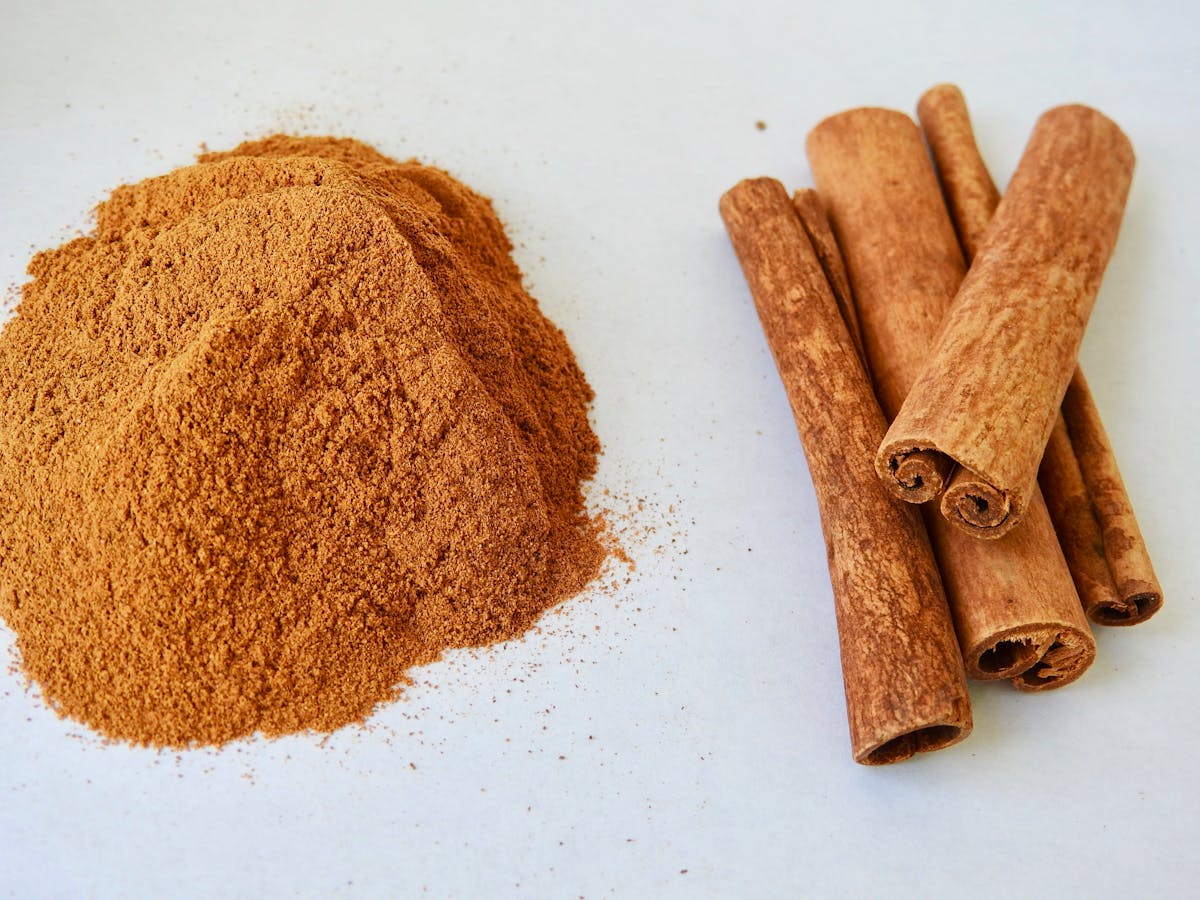
The lighthouse you'll take a photo of? It guided ships carrying cinnamon worth a king's ransom.
But here's the catch your guidebook doesn't mention.
Why Smart Travelers Love Unawatuna Better Than Anywhere Else
Six kilometers from ancient defenses is a beach that shouldn't exist.
Unawatuna's curved shape is a natural lagoon. The reef breaks up ocean waves into gentle waves. Water temperature is 28°C year-round.
Maldives resorts are $800 per night for the same thing.
Here, it'll cost you $20.
The reason? Geography perfected it, but tourism hasn't ruined it yet.
Locals continue to launch wooden boats at dawn. Beachfront bars serve fresh catch, not frozen imported varieties. At dusk, you'll understand why surfers depart Bali for this hidden hotspot.
The Japanese Peace Pagoda: A Story of Forgiveness
This glimmering white dome wasn't built to be a 'Gram setting.
Japanese monks climbed Rumassala Hill in 1992 for a greater purpose. They journeyed to heal damage inflicted by a war that extended to Asia's farthest corners.
The pagoda is reconciliation—enemy nations constructing peace together.
Standing here in the dawn, observing fishing boats speckle the horizon, you're seeing something deep. Not simply a vista, but a metaphor for humankind's ability to craft beauty from strife.
Most tourists take selfies and depart.
The wise ones sit in silence and take in the lesson.
What Cricket Teaches Us About Sri Lankan Soul
The Galle International Stadium is more than a cricket pitch.
It's where Goliath and David meet on emerald grass, with fortress walls as witness and sea waves providing background score.
When Sri Lanka beat Australia here in 2016, adult men cried in the stands. Not just out of joy, but out of pride. An island nation had beaten cricket's giants in the most gorgeous stage in the world.
Even if you've never held a bat in your hand, seeing a game here connects you to Sri Lankan identity in a way no museum can.
The bellow of 20,000 voices. The smell of pungent food. The communal gasp when a ball flies towards ancient ramparts.
This is culture in action.
Beyond the Fort: Where Real Galle Lives
Tourist maps reach colonial walls.
Local life begins there.
Walk past the Municipal Market before 7 AM. See sellers heaping rambutan and mangosteen pyramids high. Listen to swift Sinhala negotiations on fish prices. Smell curry leaves frying in coconut oil.
It is not picturesque poverty tourism.
Its daily rhythms unchanged over generations. A spice market that has operated since Portuguese days. Transaction done with a handshake, not credit cards.
Your five-star hotel won't reveal this to you. But such morning markets reveal Sri Lanka's economic heartbeat.
The Food Revolution You're Missing
Restaurants in Galle split into two worlds.
Cafes within the Fort serve up quinoa salads to Western-dollar-paying yoga retreaters.
Street stalls outside serve up hoppers and kottu perfected by local families over decades.
Both have their purpose. But one only speaks Sri Lanka's food narrative.
At Poonie's Kitchen inside the fort, there are Instagram-able smoothie bowls.
On anonymous street stalls, you'll discover how Sri Lankan short eats took over palates across Asia.
The choice tells you your holiday schedule: documenting experience or living it.
When to Go (And Why Timing Is Everything)
December to April has perfect weather.
It also brings crowds which turn peaceful beaches into theme parks.
November and May provide a different balance: occasional rain showers for half the tourists.
Experienced tourists choose shoulder seasons. They understand that authentic experiences require fewer selfie sticks on camera.
Rainfall percentages are what they offer from weather apps.
They can't measure the difference between observing a sunset panorama with hundreds of people versus witnessing them with fishing boats as your only audience.
Day Trips Well Worth the Journey
Galle is a base camp for Sri Lanka's southwest treasures.
Hikkaduwa, a twenty-minute drive north, boasts snorkeling with sea turtles who swim close enough to touch.
Koggala Lake provides boat rides through mangrove tunnels where monitor lizards sun on downed timber.
Bentota and Ahungalla provide water sports in settings that make Caribbean resorts seem sterile.
And here's the guidebook shortcut: these aren't places unto themselves that require frenetic day excursions.
They're pages in a coastal novel best devoured slowly.
The Investment Perspective
A one-week stay in Galle costs less than two nights in European sea resorts.
But the experiences compound differently.
Mass tourist destinations offer predictable satisfaction. Familiar food, run-of-the-mill service, comfortable distance from indigenous culture.
Galle offers something less and less ubiquitous: genuine cultural intersection where colonial history, Buddhist religion, and tropical haven share the same latitudinal position.
This is not low-budget travel.
It's about value from an experience that cannot be replicated elsewhere.
The Moment Everything Clicks
It occurs differently for everyone.
Some visitors discover it walking ramparts during golden hour, when sea light transforms Dutch architecture into magic.
Others discover it savoring their first perfect hopper as street performers croon haunting melodies nearby.
Some discover it watching cricket fans celebrating victories that are more than about sport.
But everyone who stays longer than a snap-and-go gives up on catching this instant when Galle stops being a place and starts to become an emotion.
Tropical sun-heated ancient stones.
Ocean air with the fragrance of spice markets.
Discussions with strangers who are fleeting friends.
The realization that some locations cannot be captured in social media selfies because their essence resides in places between moments.
That is why smart tourists do not rush through Galle.
They let Galle occur to them.
Your Next Move
Flights into Colombo.
Three-hour rides take airport mayhem far from fort peace.
The journey begins before you arrive, observing Sri Lankan landscape roll past through train windows or taxi glass.
Paddy fields yielding to palm groves.
Buddhist temples scattered over green landscapes.
Ocean glimpses that whisper of adventures waiting to be encountered.
Your phone will be packed with photographs.
Your memory will contain something more.
The feeling of discovering a place where history isn't sealed within museums but lived through everyday rhythms.
Where colonial grandeur and tropical paradise create combinations impossible to find elsewhere.
Where every sunset over fort walls reminds you why some travelers never leave.
Book the ticket.
Pack light expectations.
Let Galle surprise you.