

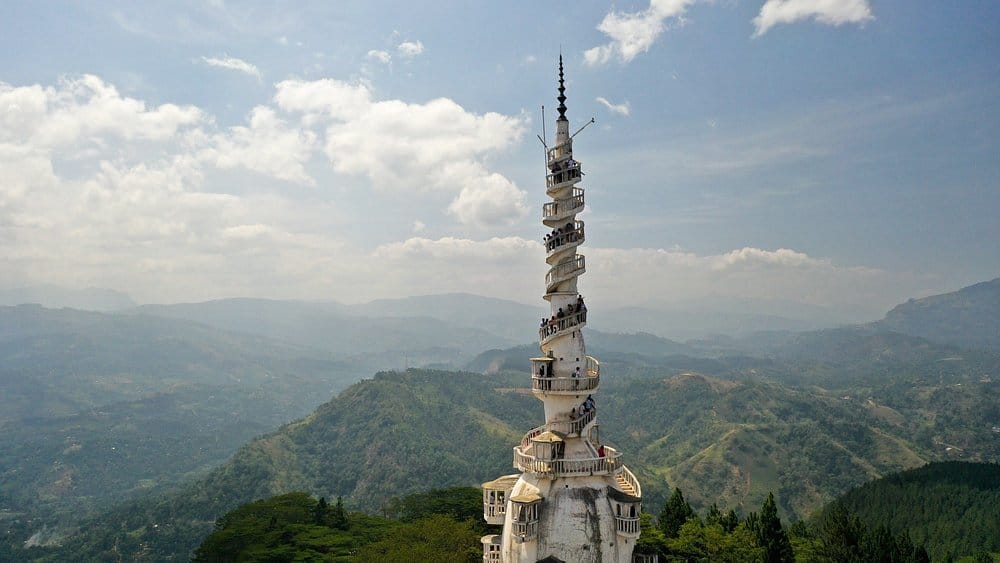
Rising dramatically from the lush green hills of central Sri Lanka, Ambuluwawa Tower stands as one of the island's most extraordinary architectural and spiritual achievements. This remarkable structure, perched atop Ambuluwawa Mountain at an elevation of 1,065 meters, offers visitors not merely panoramic views but a profound encounter with the intersection of nature, spirituality, and human aspiration. The journey to this mystical site, located near the ancient city of Gampola, rewards travelers with experiences that transcend ordinary tourism, creating memories that linger long after the descent back to everyday life.
The History And Significance Of Ambuluwawa
Ambuluwawa's history stretches back centuries, though the iconic tower that draws modern visitors is a relatively recent addition to this sacred landscape. The mountain has long held spiritual significance for Sri Lankans, serving as a place of meditation and worship across multiple religious traditions. The biodiversity tower, completed in 2009, was designed to celebrate Sri Lanka's unique position as a multi-religious society, incorporating architectural elements from Buddhist, Hindu, Islamic, and Christian traditions. This inclusive vision manifests in the tower's distinctive spiral design, which some interpret as representing the unity of all spiritual paths ascending toward common truths.
The Iconic Spiral Tower
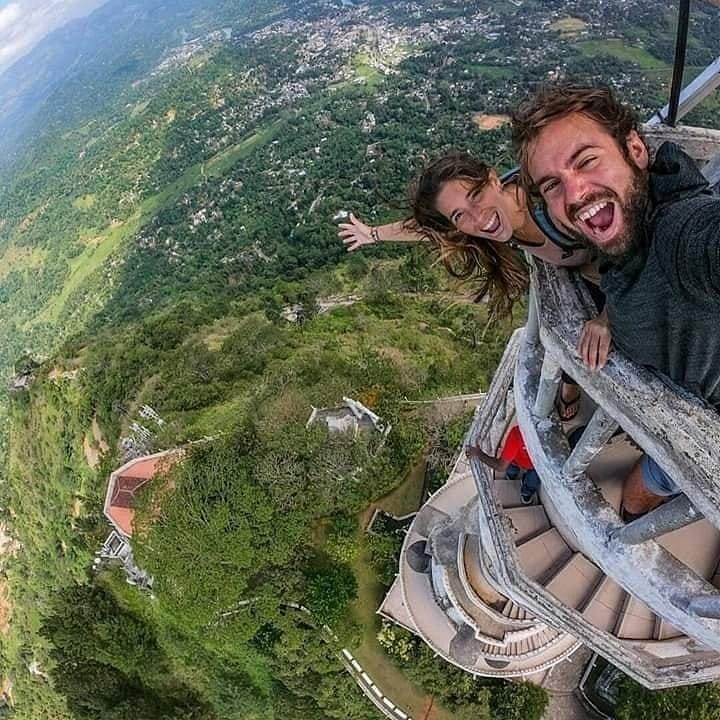
The tower itself defies simple description. Rising in a tight spiral toward the heavens, its narrow staircase challenges visitors both physically and psychologically. Each turn reveals new perspectives on the surrounding landscape, while the increasingly exposed structure tests resolve as heights increase. Those who complete the climb to the topmost platform are rewarded with unobstructed 360-degree views that encompass mountains, valleys, reservoirs, and on clear days, distant glimpses of both the eastern and western coasts of Sri Lanka. The experience of standing at the summit, wind whistling through the open structure, creates moments of profound clarity and presence.
The Biodiversity Complex
Beyond the famous tower, Ambuluwawa encompasses an extensive biodiversity complex that showcases Sri Lanka's remarkable ecological heritage. The mountain hosts over two hundred species of plants, including medicinal herbs used in traditional Ayurvedic practices. Walking trails wind through this living botanical collection, offering quieter alternatives to the tower climb for those seeking gentler exploration. Research facilities on site support ongoing conservation efforts, making Ambuluwawa not merely a tourist attraction but an active participant in preserving Sri Lanka's natural heritage for future generations.
The Multi-Faith Temple Complex
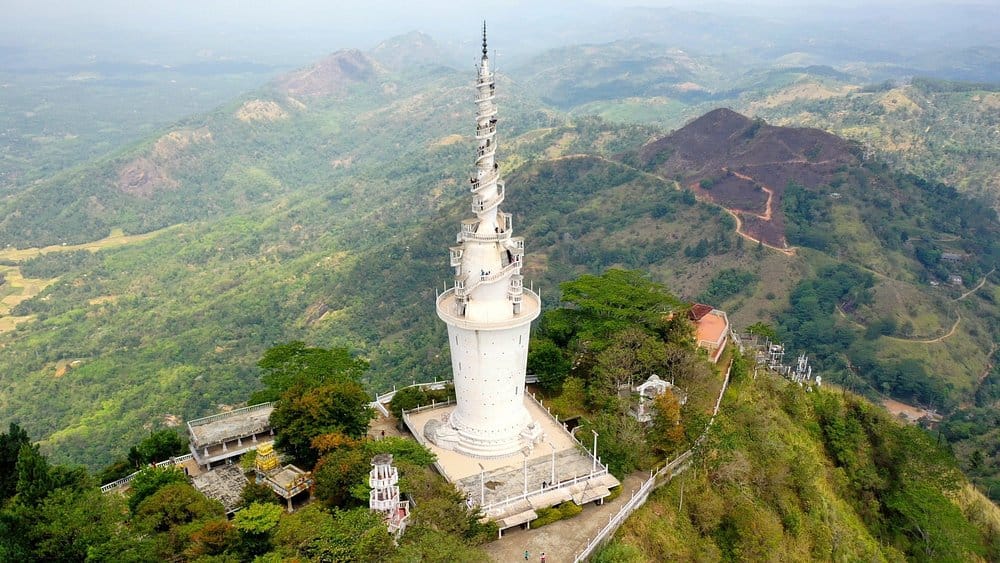
At Ambuluwawa's heart lies a unique multi-faith temple complex that embodies Sri Lanka's tradition of religious coexistence. Buddhist, Hindu, Muslim, and Christian places of worship exist in harmonious proximity, allowing visitors of all backgrounds to connect with their spiritual traditions while respecting others. This arrangement reflects the mountain's historic role as a site where different communities gathered peacefully, demonstrating that diversity need not divide but can instead enrich shared spaces. For many visitors, this aspect of Ambuluwawa proves as meaningful as the spectacular views.
Planning Your Visit
Reaching Ambuluwawa requires some planning but rewards the effort invested. The site lies approximately seven kilometers from Gampola town, accessible by private vehicle or tuk-tuk along a winding mountain road that itself offers stunning scenery. The climb to the tower base takes approximately thirty minutes from the parking area, with the tower ascent adding another fifteen to twenty minutes for those who complete it. Early morning visits offer the best visibility and smallest crowds, while afternoon mists create atmospheric conditions that some photographers prefer despite reduced long-distance views.
Essential Tips For Visitors
Physical preparation enhances the Ambuluwawa experience significantly. Comfortable walking shoes with good grip prove essential for both the approach trail and the tower's metal stairs, which can become slippery when wet. Those uncomfortable with heights should understand that the tower's open design and narrow passages create genuine exposure at upper levels; there is no shame in turning back at any point. Bringing water is advisable, as facilities on the mountain are limited. Weather changes rapidly at this elevation, so carrying a light rain layer prevents discomfort from sudden showers.
The Surrounding Region
Ambuluwawa's location in Sri Lanka's hill country places it within easy reach of numerous other attractions. The ancient city of Gampola, once a royal capital, offers historical sites and authentic local culture largely untouched by tourism. The famous Kandy, with its Temple of the Sacred Tooth Relic, lies just forty-five minutes away, making combination visits straightforward. Tea plantations carpet the surrounding hillsides, and several estates welcome visitors for tours and tastings that reveal this iconic industry's processes and traditions.
Frequently Asked Questions
How difficult is the climb to Ambuluwawa Tower?
The climb involves moderate physical exertion suitable for most reasonably fit individuals. The approach trail from the parking area includes some steep sections but nothing requiring technical ability. The tower itself presents the main challenge, with narrow spiral stairs and increasing exposure to heights. Those with severe fear of heights or mobility limitations may find the upper sections challenging but can still enjoy the complex's other attractions.
What are the best times to visit Ambuluwawa?
Early morning between six and eight offers the clearest visibility and fewest crowds. The site opens at sunrise and closes at sunset, though specific hours may vary seasonally. Weekends and holidays bring larger crowds, particularly during Sri Lankan school vacations. The dry season months from December through April generally provide the best weather conditions for photography and comfortable climbing.
Is there an entrance fee for Ambuluwawa?
Yes, the site charges a modest entrance fee for foreign visitors and a lower rate for Sri Lankan nationals. Additional fees may apply for vehicle parking. The revenues support maintenance of the complex and ongoing conservation efforts. Payment is typically required in Sri Lankan rupees, so having local currency available proves advisable.
Can children visit Ambuluwawa safely?
Children can certainly visit the complex and enjoy the grounds, botanical areas, and temple complex. However, parents should carefully consider whether their children should attempt the tower climb, as the narrow passages and exposure at height present genuine risks for young or impulsive climbers. Some families choose to have one parent remain with younger children while another climbs the tower.
What facilities are available at Ambuluwawa?
Basic facilities include restrooms, a small refreshment kiosk, and parking areas. The site lacks extensive dining options, so bringing snacks and water is recommended. No accommodation exists on the mountain itself, though Gampola and surrounding areas offer various lodging options. Guides are available for hire at the entrance, though the site is navigable without assistance.
Is Ambuluwawa accessible during monsoon season?
The site remains open year-round, but monsoon conditions significantly affect the experience. Heavy rains make trails slippery and tower climbing inadvisable due to wet metal stairs. Cloud cover often obscures views entirely during monsoon months. Visitors during this period should prepare for limited visibility while appreciating the atmospheric conditions that create the mountain's mystical character.
Location
Conclusion
Ambuluwawa represents Sri Lanka at its most extraordinary: a place where natural beauty, spiritual depth, and human creativity converge to create experiences available nowhere else on earth. The challenge of the ascent, the reward of the summit views, and the contemplative spaces throughout the complex offer something meaningful to every visitor regardless of religious background or physical ability. Those who make the journey discover not merely a tourist attraction but a testament to human aspiration and nature's grandeur. In a world increasingly dominated by artificial experiences, Ambuluwawa reminds us why real places matter, why some journeys must be undertaken in person, and why Sri Lanka continues to surprise and inspire those who venture beyond its beaches to explore its mountainous heart.